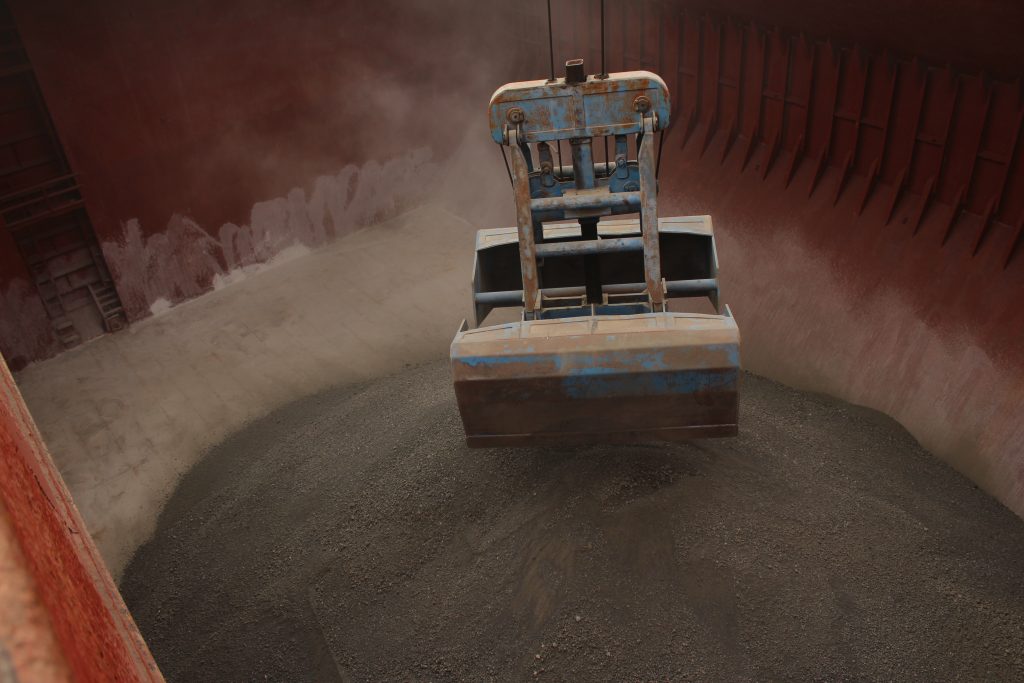
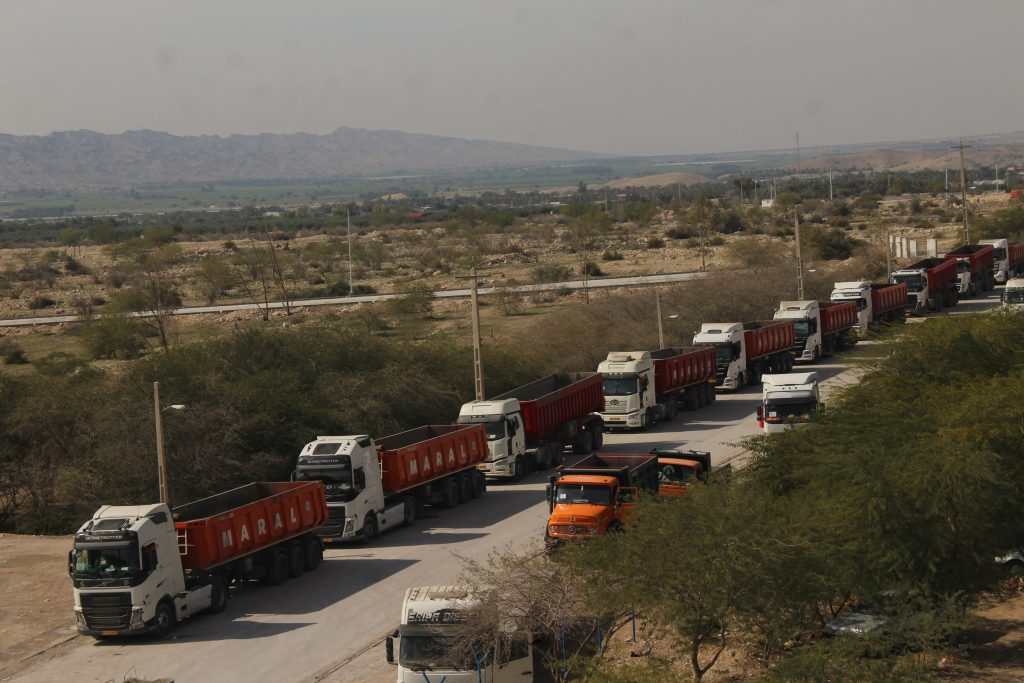
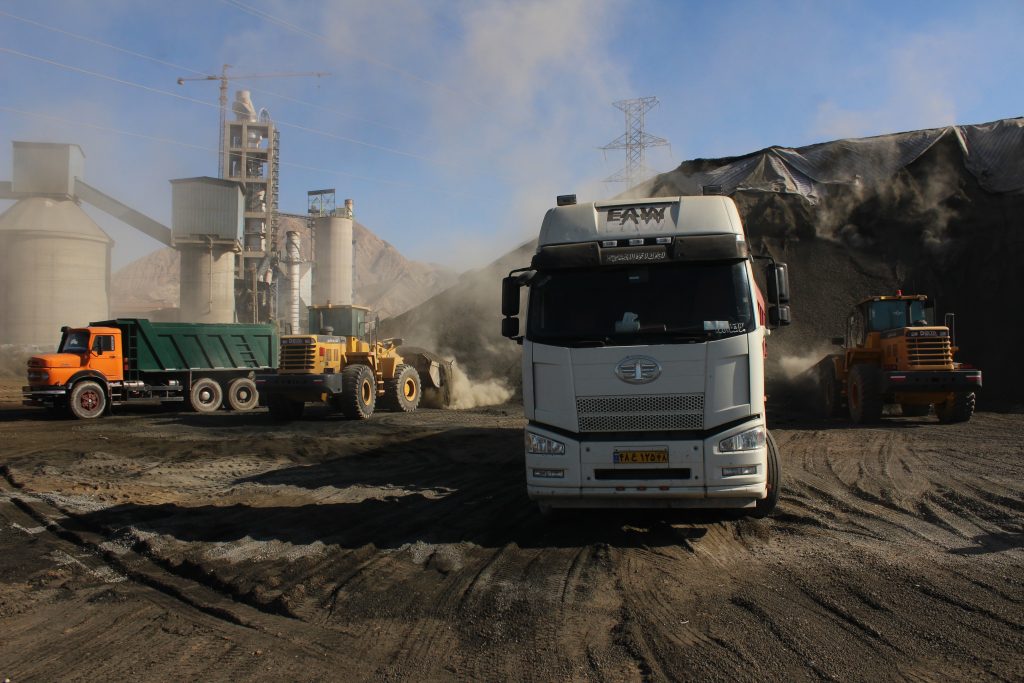
صنعت سیمان منطقهای به شدت وابسته به پروژههای زیرساختی نفت، گاز و ساختوساز است. سیمان منددشتی با نگاهی بلندمدت، خود را نه تنها یک تولیدکننده داخلی، بلکه یک قطب بالقوه منطقهای تعریف کرده است.
Criteria for measuring global standing
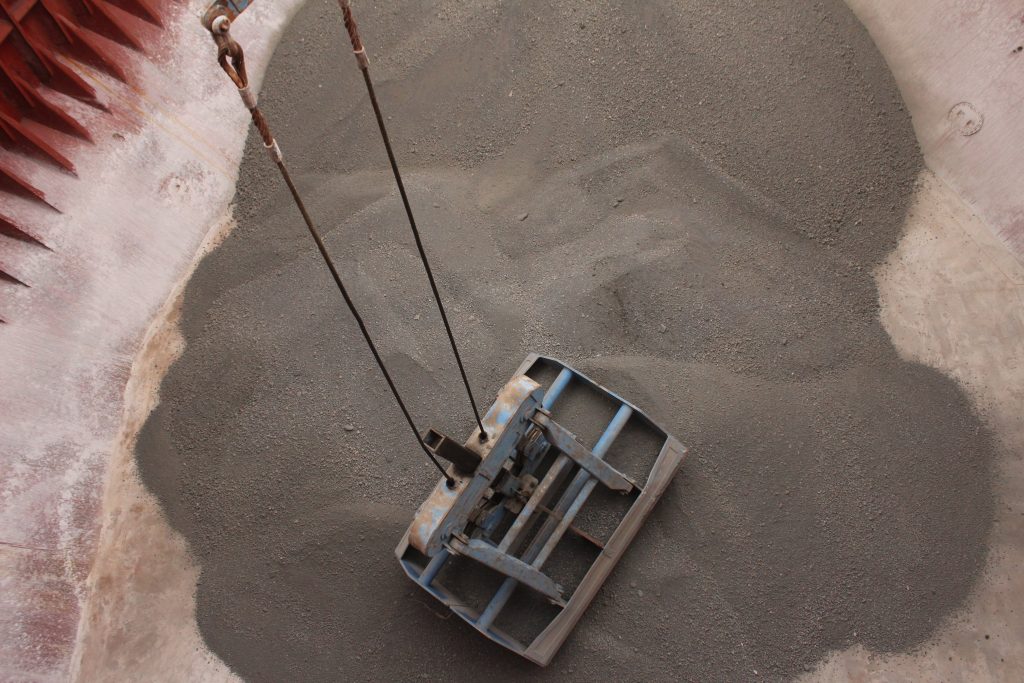
The global ranking of cement producers is based on several key criteria:
Regional and global market share: Percentage of total regional demand served by the company.
Nominal annual production capacity (Metric Tons/Year): This metric indicates potential production capacity.
Technologies used: Use of low-energy and environmentally friendly technologies (such as carbon capture and use of alternative fuels).
Regional Position (Middle East): Production Hub with Growth Potential
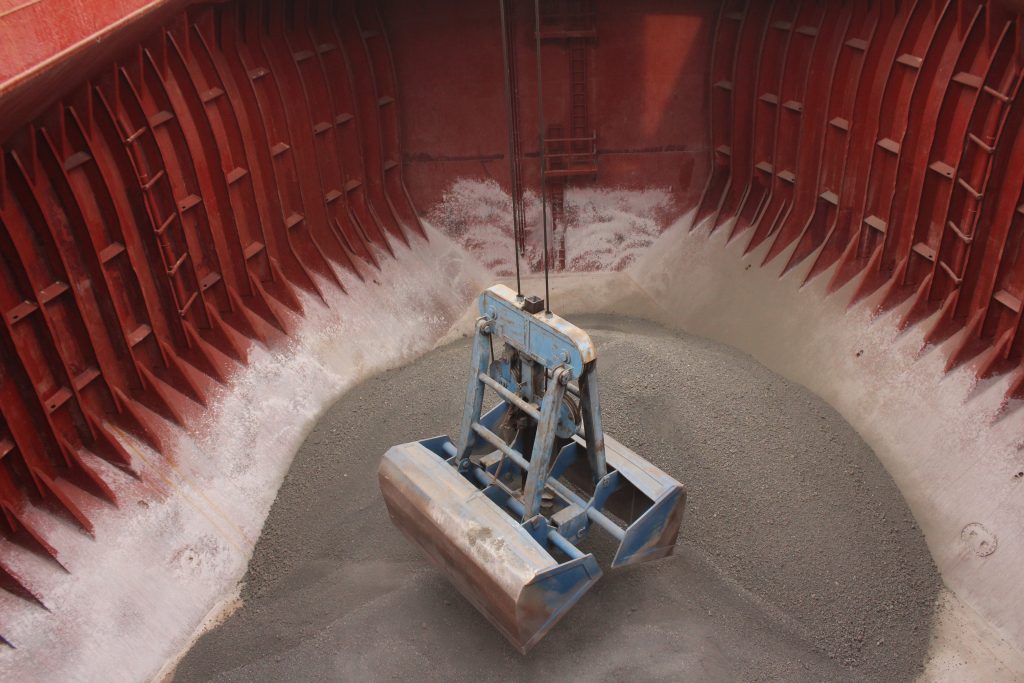
The Middle East is a large market for cement, largely dominated by cement giants Türkiye, the UAE, and Saudi Arabia.
Country/Company Annual Production Capacity (Estimated) Market Focus Turkey More than 80 million tons Europe and North Africa Saudi Arabia/UAE More than 70 million tons Large Domestic and Persian Gulf Projects Mandashti Cement (Iran) [Current Capacity] Million Tons Iraq, Afghanistan, Domestic Projects
Analysis of the Mandeshti position:
Although Mandashti Cement’s nominal production capacity is still lower than regional leaders, its unique geographical location near the high-demand borders of Iraq and Afghanistan is a strategic advantage. With a focus on supplying regional infrastructure projects (especially in Iraq), Mandashti has the potential to become a regional manufacturing hub, provided that the necessary investments are made to increase capacity and modernize production lines.
Global Perspective: Entering International Supply Chains
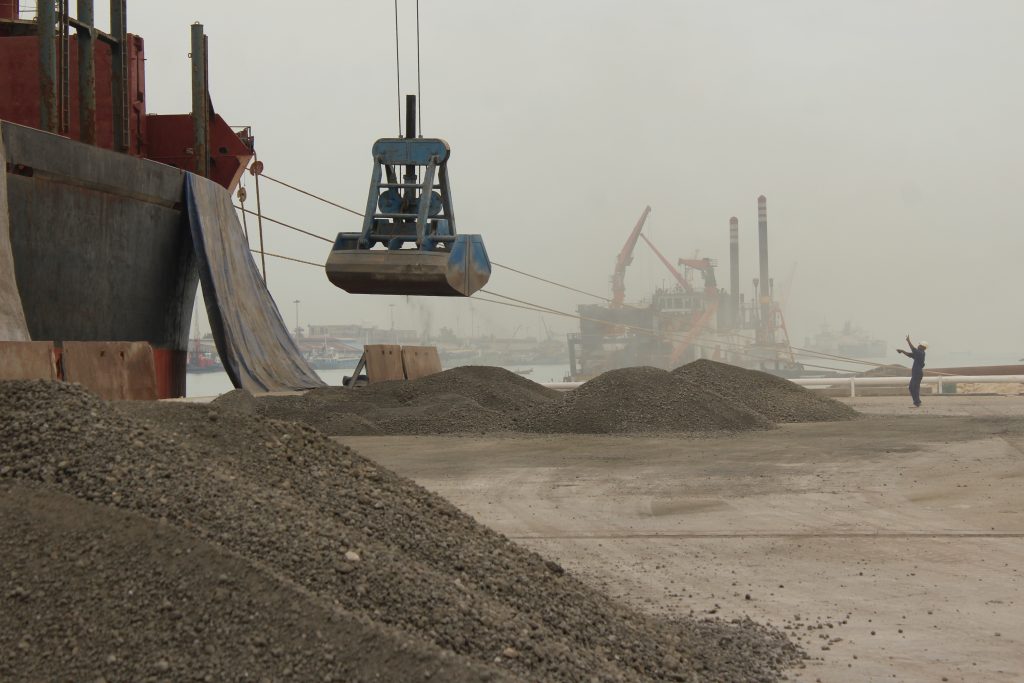
Given the fierce competition from Chinese and Indian companies in the global markets, Mandeshti’s success depends on continuous investment in new technologies. Improving kiln efficiency, reducing pollution, and developing specialized products (such as white cement or cement with high acid resistance) will put the company on the path to becoming a reliable global brand.
conclusion
Mandashtish Cement Company has paved the way for its development with a dual and balanced approach. Success in transparent domestic sales through the commodity exchange ensures stable cash flow and effective implementation of government pricing policies. On the other hand, a targeted export strategy relying on product quality and logistical capabilities has made Mandashtish Cement gain more weight in regional trade equations. This strategic combination has not only consolidated the company’s position in the Iranian market, but has also placed it in a position that has the potential to become one of the main and key players in the cement industry of the Middle East in the coming decades.