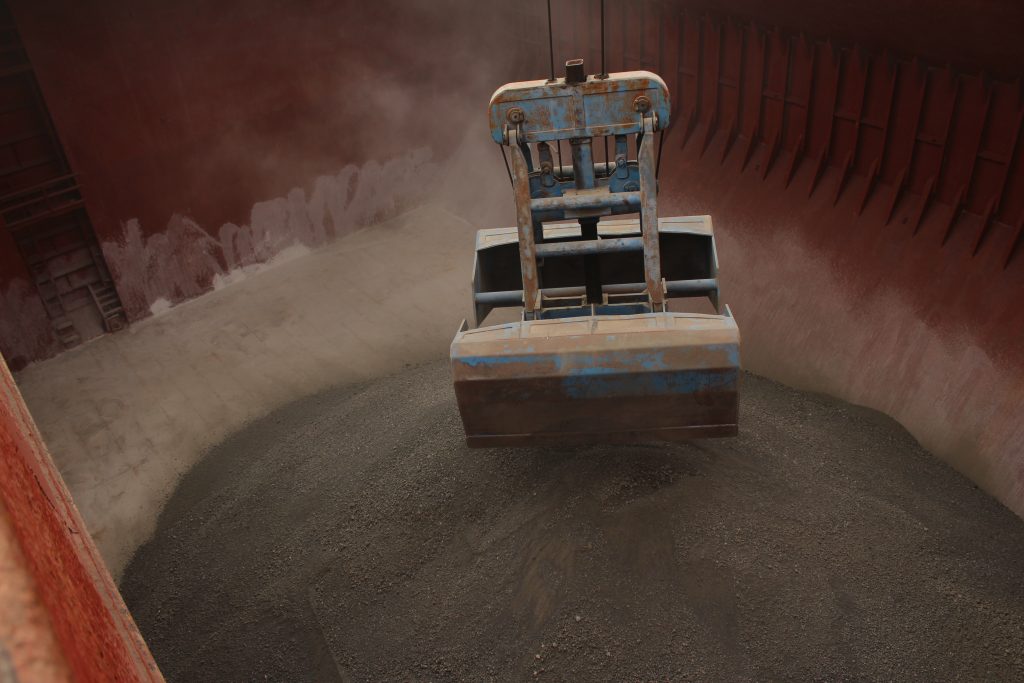
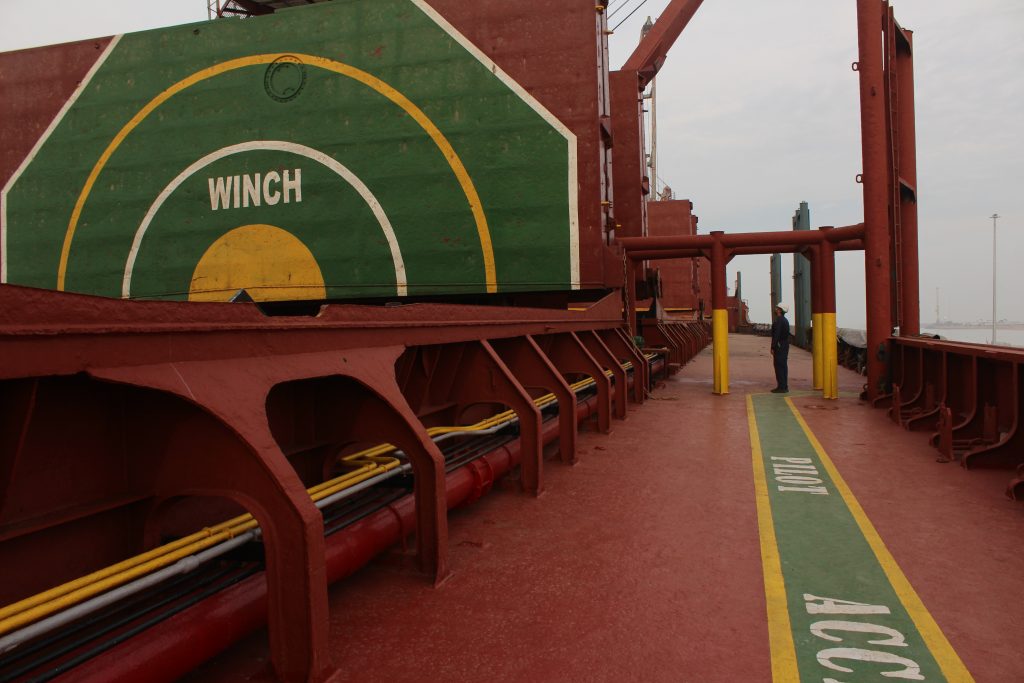
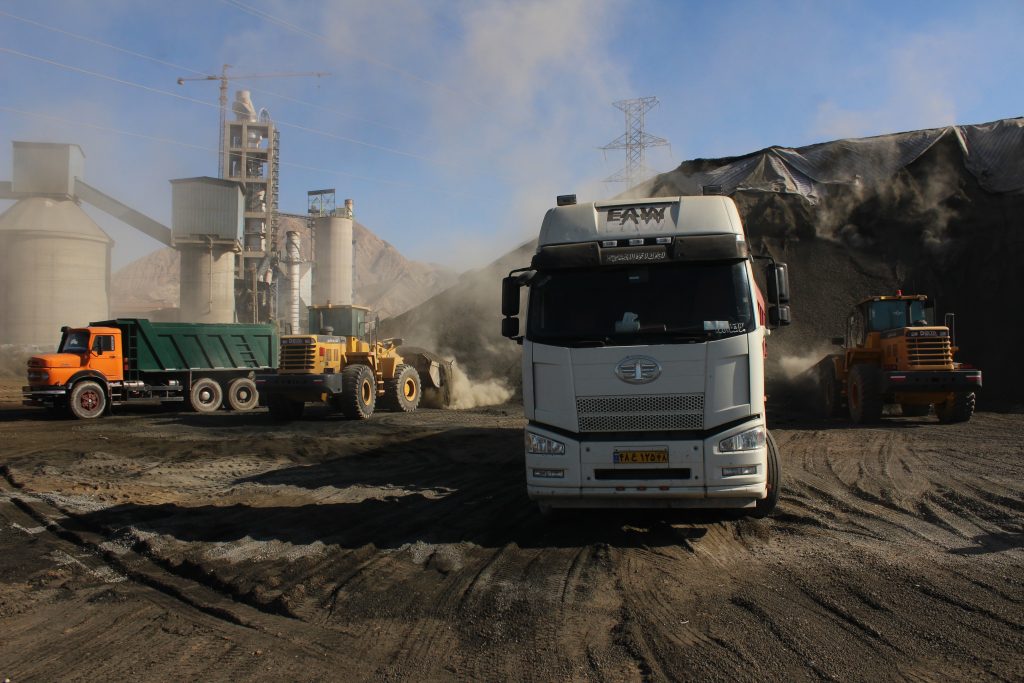
The cement market in Iran, due to its strategic importance, has always required a mechanism for fair distribution and transparent pricing. In this regard, the Iranian Commodity Exchange has become a major pillar in domestic sales as a place to discover the real price and eliminate unnecessary intermediaries. Being listed on the exchange is not only a legal requirement for large manufacturers, but also a strategic opportunity to manage domestic market risks.
The role of the commodity exchange in organizing the market:
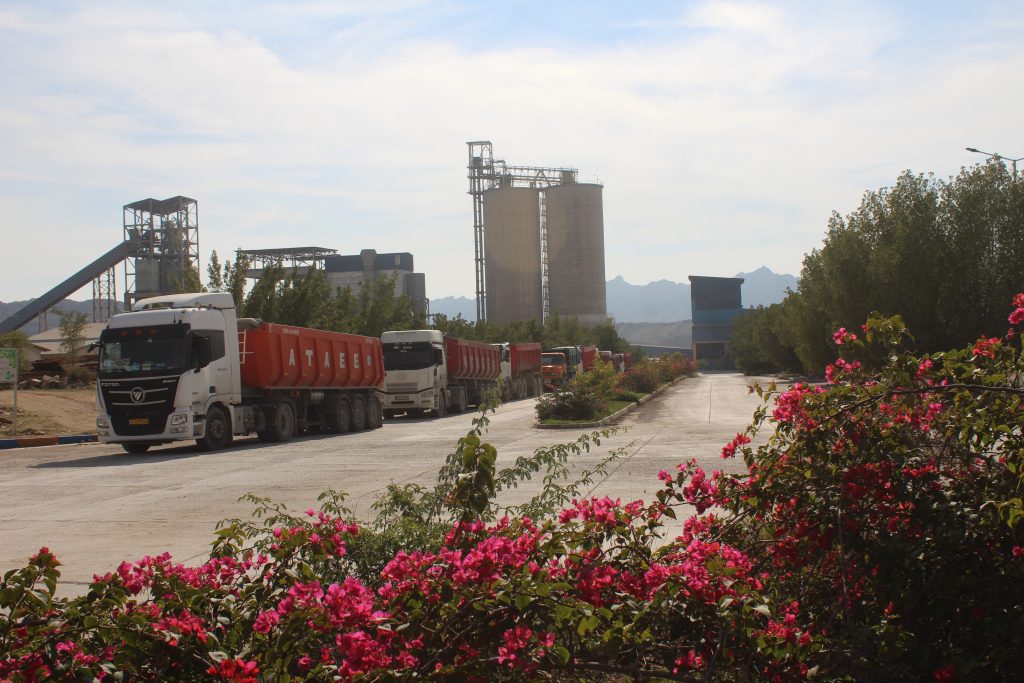
The supply of cement through the commodity exchange has brought numerous benefits to end consumers, from construction contractors to licensed operators:
Reducing brokerage: Removing multiple layers of intermediation greatly reduces the possibility of speculation and the creation of a black market, and brings greater stability to the supply chain. This is especially important during periods of increased demand for infrastructure projects.
Price transparency: Pricing based on supply and demand in a competitive environment prevents prescriptive and unrealistic pricing and makes the base price clear to all market participants. This mechanism makes the traded price (the price discovered on the floor) the basis for futures and actual market contracts.
Fair distribution: Direct access of producers to major buyers through the exchange mechanism ensures that production quotas reach the projects and consumers who really need them, rather than being monopolized by a few. This is achieved by setting a purchase ceiling for each trading code.
Always-on display; 6 years (minimum)
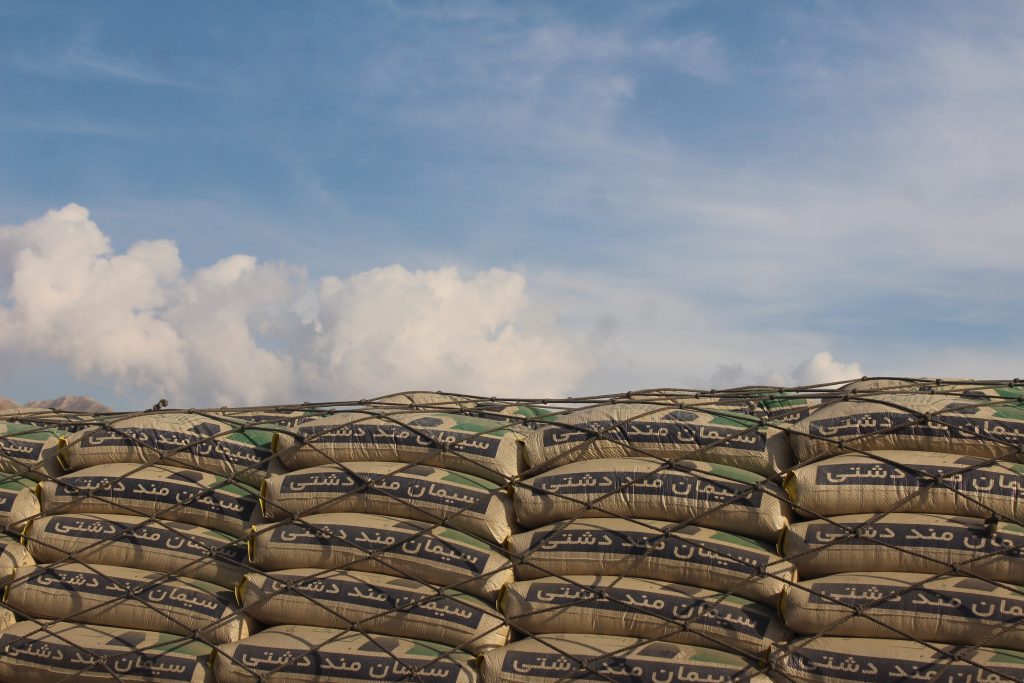
With its continuous and active presence on the stock exchange, Mandashti Cement Company has shown that it is committed to following this transparent mechanism and considers this approach as an integral part of its social responsibility towards the country’s development projects. This dual approach (strong exports and regular domestic sales) has made Mandashti a key and reliable player in the cement industry.
Conclusion:
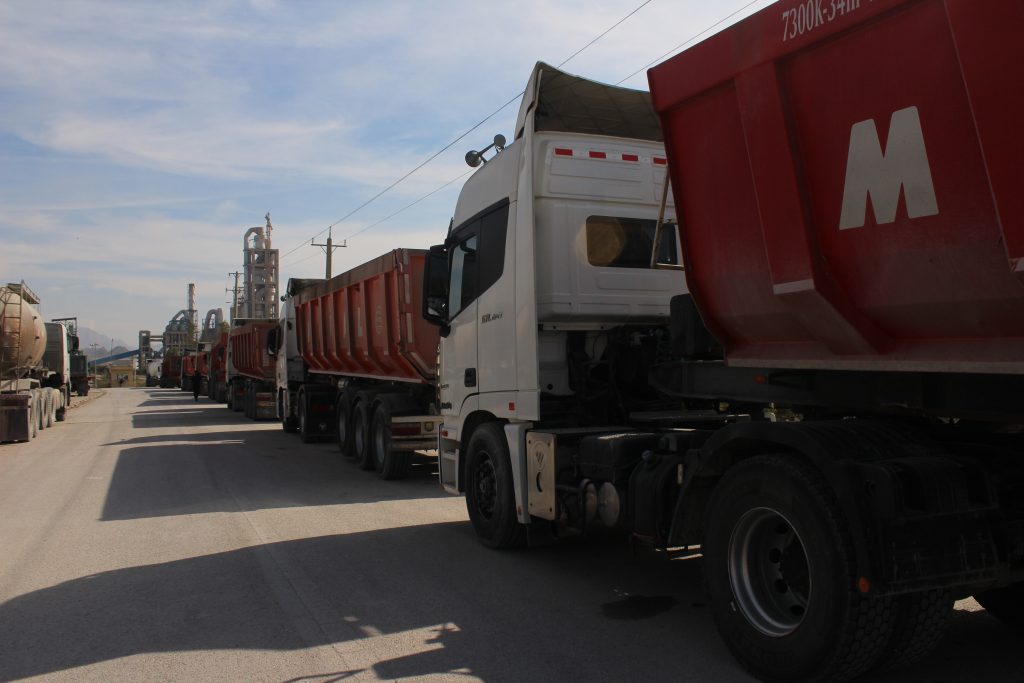
Mandashtishi Cement Company’s two-pronged strategy – to consolidate its position in global markets through quality and increase its domestic market share through a transparent commodity exchange mechanism – is a successful example of comprehensive management in the cement industry. This strategy not only ensures the company’s financial sustainability, but also plays an effective role in providing the necessary raw materials for the country’s development projects and injecting foreign exchange into the national economy.